
Best Foods to Lower Cholesterol: A Nutritional Guide for Heart Health
Managing cholesterol levels is a vital component of maintaining cardiovascular health. Elevated cholesterol, especially low-density lipoprotein (LDL) cholesterol, can increase the risk of heart disease, stroke, and other serious health complications. Fortunately, incorporating the best foods to lower cholesterol into your diet can significantly improve your lipid profile naturally. This article explores scientifically supported foods that help reduce cholesterol and promote heart health, along with practical tips for integrating them into your daily meals.
Understanding Cholesterol and Its Impact on Health
Cholesterol is a waxy, fat-like substance found in your blood. While your body needs cholesterol to build healthy cells, excessive cholesterol can lead to the buildup of plaques in arteries, a condition called atherosclerosis. This narrows the arteries and restricts blood flow, increasing the risk of heart attacks and strokes. There are two main types of cholesterol:
- Low-Density Lipoprotein (LDL): Often referred to as “bad cholesterol,” high levels of LDL contribute to plaque buildup in arteries.
- High-Density Lipoprotein (HDL): Known as “good cholesterol,” HDL helps remove LDL cholesterol from the bloodstream.
The goal of cholesterol management is to lower LDL cholesterol and maintain or increase HDL cholesterol. Diet plays a crucial role in achieving this balance.
Why Diet is Essential in Lowering Cholesterol
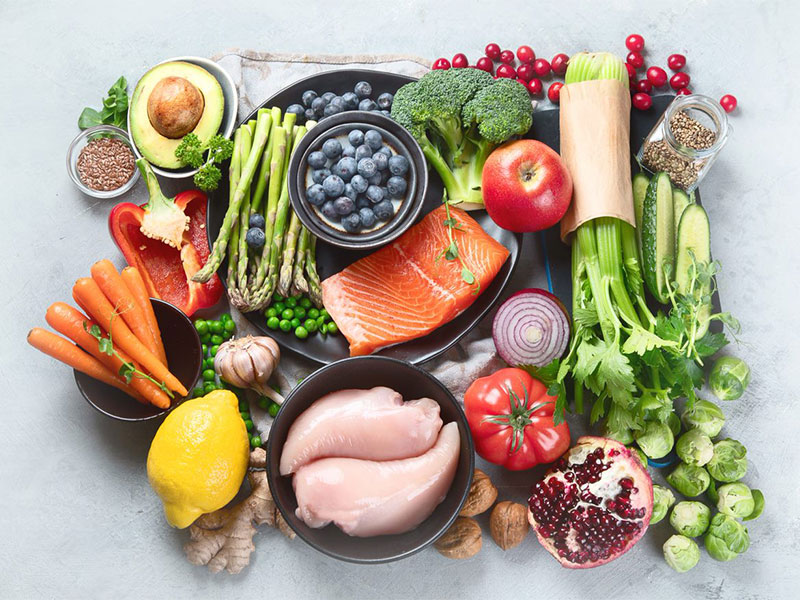
While genetics and other factors influence cholesterol levels, diet is one of the most controllable elements. Certain foods contain compounds that can help reduce cholesterol absorption, improve lipid metabolism, and reduce inflammation in the cardiovascular system. Consistently choosing these cholesterol-lowering foods can have a profound effect on your heart health.
Top 10 Best Foods to Lower Cholesterol
Here are the most effective and scientifically backed foods to include in your cholesterol-lowering diet:
-
Oats and Barley
Oats and barley are rich in soluble fiber, particularly beta-glucan, which binds to cholesterol in the digestive system and helps remove it from the body. Eating a bowl of oatmeal or adding barley to soups can reduce LDL cholesterol by up to 10%.
-
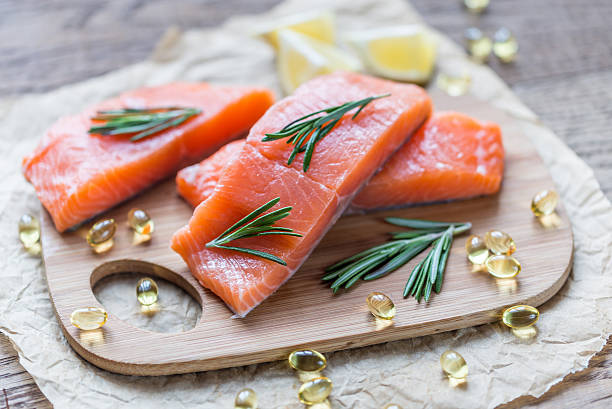
Fatty Fish
Fatty fish such as salmon, mackerel, sardines, and trout are high in omega-3 fatty acids. These healthy fats lower triglycerides, reduce inflammation, and may slightly increase HDL cholesterol. The American Heart Association recommends consuming fatty fish at least twice a week.

-
Nuts and Seeds
Almonds, walnuts, flaxseeds, and chia seeds provide heart-healthy unsaturated fats, fiber, and plant sterols, which help lower LDL cholesterol. A daily handful of nuts or a sprinkle of seeds can improve cholesterol levels and support vascular health.
-
Fruits and Vegetables
These are packed with fiber, antioxidants, and phytochemicals that protect the heart and reduce cholesterol. Particularly beneficial are apples, pears, berries, citrus fruits, spinach, and kale. Their soluble fiber content helps lower LDL cholesterol and improve arterial function.
-
Legumes
Beans, lentils, chickpeas, and peas are excellent sources of protein and soluble fiber. Regular consumption can reduce LDL cholesterol by up to 10%, while also stabilizing blood sugar levels.
-
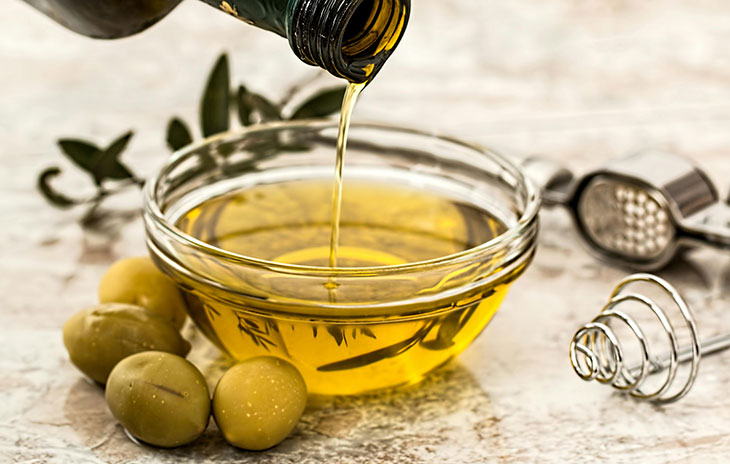
Olive Oil
Extra virgin olive oil is rich in monounsaturated fats and antioxidants. It lowers LDL cholesterol and raises HDL cholesterol, contributing to improved heart health. Use it as a primary cooking oil or in salad dressings.

-
Avocados
Avocados contain monounsaturated fats and fiber that help reduce LDL cholesterol and increase HDL cholesterol. Including half an avocado daily can improve cholesterol profiles and provide essential nutrients.
-
Foods Fortified with Plant Sterols and Stanols
Plant sterols and stanols structurally resemble cholesterol and block its absorption in the intestines. Fortified foods like certain margarines, orange juices, and yogurts can lower LDL cholesterol by 5-15% when consumed regularly.
-
Green Tea
Green tea contains catechins and antioxidants that may help lower LDL cholesterol and improve arterial function. Drinking 2-3 cups daily can support cholesterol management and overall cardiovascular health.
-
Soy Products
Soy protein found in tofu, soy milk, and edamame has been shown to reduce LDL cholesterol modestly. Incorporating soy-based foods as part of a balanced diet can contribute to heart health.
How to Effectively Incorporate These Foods Into Your Diet
Transitioning to a heart-healthy diet doesn’t have to be overwhelming. Here are some practical tips:
- Start your day with a bowl of oatmeal topped with berries and a sprinkle of nuts.
- Replace red meat with fatty fish or legumes at least twice a week.
- Use extra virgin olive oil for cooking and salad dressings instead of butter or margarine.
- Snack on a handful of nuts or fresh fruit instead of processed snacks.
- Incorporate more vegetables into every meal, aiming for a colorful plate.
- Choose fortified foods with plant sterols as part of your daily routine.
- Swap regular tea or coffee for green tea during the day.
Scientific Evidence Supporting Cholesterol-Lowering Foods
The benefits of these cholesterol-lowering foods are supported by extensive scientific research. For example, a meta-analysis published in the Journal of the American Heart Association confirmed that increasing soluble fiber intake reduces LDL cholesterol significantly. The American Heart Association also endorses monounsaturated fats from olive oil for their heart-protective effects.
“Incorporating cholesterol-lowering foods into your daily diet is a powerful and natural way to improve heart health and reduce cardiovascular risk.”
Explore More on 2thealth.com
- How to Lower Cholesterol Naturally
- Effective Treatments for High Cholesterol
- Best Diet to Manage Cholesterol Levels
- The Oxidized Cholesterol Strategy
For personalized advice on nutrition and cholesterol management, visit 2thealth, your trusted source for evidence-based health information.