
How Physical Therapy Helps Vertigo Patients
Vertigo, characterized by a sensation of spinning or imbalance, can severely impact an individual’s quality of life. While medication and lifestyle changes are common approaches, physical therapy for vertigo has emerged as a highly effective treatment modality. This article explores how specialized physical therapy techniques, particularly vestibular rehabilitation, help vertigo patients regain stability, reduce dizziness, and improve daily functioning.

Understanding Vertigo and Its Impact
Vertigo arises from disturbances in the vestibular system, which includes the inner ear and brain regions responsible for balance. Patients often experience dizziness, nausea, difficulty walking, and a heightened risk of falls. These symptoms can lead to anxiety and social withdrawal, underscoring the need for effective treatment.
For a comprehensive overview of vertigo causes and symptoms, visit our article Symptoms of Vertigo.
What is Vestibular Rehabilitation Therapy (VRT)?
Vestibular Rehabilitation Therapy (VRT) is a specialized form of physical therapy designed to address dizziness and balance disorders caused by vestibular dysfunction. VRT employs customized exercises that promote vestibular compensation—the brain’s ability to adapt to inner ear imbalances.
The primary goals of VRT include:
- Reducing vertigo and dizziness intensity.
- Improving balance and coordination.
- Enhancing gaze stability during head movements.
- Increasing confidence in daily activities to reduce fall risk.
Key Techniques Used in Physical Therapy for Vertigo
Physical therapists use a variety of techniques tailored to each patient’s specific condition. The most common include:
- Gaze Stabilization Exercises: These exercises train the eyes to maintain focus on a stationary object while the head moves, helping to reduce blurred vision and dizziness.
- Balance Training: Patients perform tasks that challenge their balance to improve postural control and reduce instability.
- Habituation Exercises: Repeated exposure to movements or positions that trigger vertigo, which helps the brain become less sensitive over time.
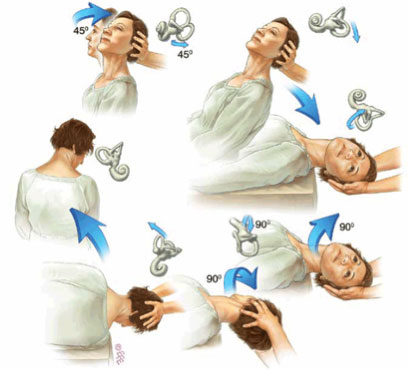
- Canalith Repositioning Maneuvers: For patients with Benign Paroxysmal Positional Vertigo (BPPV), maneuvers such as the Epley maneuver reposition displaced crystals in the inner ear.
Benefits of Physical Therapy for Vertigo Patients
The advantages of incorporating physical therapy for vertigo into a treatment plan are numerous:
- Non-invasive and drug-free: VRT offers a natural alternative or complement to medications, minimizing side effects.
- Customized treatment plans: Therapists tailor exercises based on individual symptoms, improving effectiveness.
- Improved balance and reduced fall risk: By enhancing postural control, patients regain independence and confidence.
- Symptom reduction: Many patients experience significant decreases in dizziness and nausea.
- Enhanced quality of life: Restored mobility and reduced anxiety lead to better social and occupational functioning.
Who Can Benefit from Physical Therapy for Vertigo?
Physical therapy is especially beneficial for patients with:
- Peripheral vestibular disorders like BPPV, vestibular neuritis, or labyrinthitis.
- Meniere’s disease.
- Post-concussion syndrome with vestibular involvement.
- Balance impairments related to aging or neurological conditions.
However, a thorough evaluation by a healthcare professional is essential to determine suitability and to rule out central causes of vertigo that may require different interventions.
How to Find a Qualified Vestibular Physical Therapist
To maximize benefits, patients should seek therapists with specialized training in vestibular rehabilitation. Look for credentials such as:
- Board certification in neurology or vestibular physical therapy.
- Experience treating vertigo and balance disorders.
- Positive patient outcomes and reviews.
You can find qualified therapists through professional organizations or referrals from your healthcare provider.
Complementary Strategies Alongside Physical Therapy
While physical therapy plays a pivotal role, combining it with other strategies enhances overall management:
- Medications: May be used short-term to control acute symptoms. See our article Vertigo Treatment for medication options.
- Lifestyle modifications: Adequate hydration, stress management, and avoiding triggers support therapy success.
- Home exercise programs: Therapists often prescribe exercises to continue progress between sessions.
When to Seek Medical Attention
Patients experiencing sudden severe vertigo, neurological symptoms (such as weakness, speech difficulties, or vision changes), or persistent worsening symptoms should seek immediate medical evaluation.
“Vestibular rehabilitation therapy empowers patients to reclaim balance and reduce dizziness through targeted, evidence-based exercises.”
Summary
Physical therapy for vertigo, particularly vestibular rehabilitation, is a cornerstone in the effective management of vertigo symptoms. Through personalized exercises and maneuvers, patients can reduce dizziness, improve balance, and regain confidence in their daily lives. Early intervention and collaboration with trained therapists maximize outcomes and enhance quality of life.
For further insights, explore related articles on Vertigo Treatment, How Vertigo is Diagnosed, and BPPV.