
Best Diet to Manage Cholesterol Levels: Evidence-Based Nutritional Strategies for Heart Health
Managing cholesterol levels through diet is a cornerstone of cardiovascular disease prevention and overall health maintenance. Elevated cholesterol, particularly low-density lipoprotein (LDL cholesterol), is a major risk factor for atherosclerosis, heart attacks, and strokes. This article explores the best diet to manage cholesterol levels, focusing on scientifically supported foods and eating patterns that promote optimal lipid profiles.
Understanding Cholesterol and Its Impact
Cholesterol is a vital lipid molecule involved in hormone synthesis and cell membrane structure. However, excessive cholesterol, especially LDL (“bad cholesterol”), can accumulate in artery walls, leading to plaque formation and cardiovascular complications. Conversely, high-density lipoprotein (HDL, or “good cholesterol”) helps remove cholesterol from the bloodstream.

Key Principles of the Best Diet to Manage Cholesterol
The optimal diet for cholesterol management emphasizes nutrient-dense, heart-healthy foods while minimizing harmful fats and processed ingredients. The following principles are essential:
- Increase Soluble Fiber Intake: Soluble fiber binds cholesterol in the digestive tract, reducing absorption. Sources include oats, barley, legumes, fruits, and vegetables.
- Choose Healthy Fats: Replace saturated and trans fats with unsaturated fats found in olive oil, avocados, nuts, and fatty fish rich in omega-3 fatty acids.
- Limit Dietary Cholesterol: Although dietary cholesterol impact varies, moderation is advised, especially from sources like egg yolks and shellfish.
- Incorporate Plant Sterols and Stanols: These compounds, found in fortified foods and some nuts, inhibit cholesterol absorption.
- Maintain a Balanced Caloric Intake: Achieving and maintaining a healthy weight supports lipid control.
Top Foods for Managing Cholesterol Levels
Including specific foods known to improve cholesterol profiles can enhance the effectiveness of a cholesterol-lowering diet:
-
Oats and Whole Grains
Rich in beta-glucan, oats reduce LDL cholesterol by forming a gel-like substance in the intestines that traps cholesterol. Whole grains also support heart health by improving blood sugar control.

-
Fatty Fish
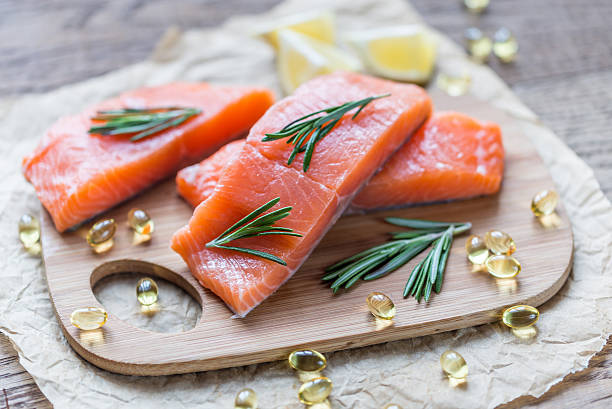
Salmon, mackerel, and sardines provide omega-3 fatty acids, which lower triglycerides, reduce inflammation, and modestly raise HDL cholesterol. The American Heart Association recommends at least two servings per week.

-
Nuts and Seeds
Almonds, walnuts, flaxseeds, and chia seeds are rich in unsaturated fats, fiber, and plant sterols. Regular consumption is linked to reduced LDL cholesterol and improved endothelial function.

-
Fruits and Vegetables
High in antioxidants, vitamins, and fiber, fruits like berries, apples, and citrus fruits help lower cholesterol and protect arteries from oxidative damage.

-
Legumes
Beans, lentils, and chickpeas provide soluble fiber and protein without saturated fat, aiding in cholesterol reduction and blood sugar stabilization.

-
Olive Oil
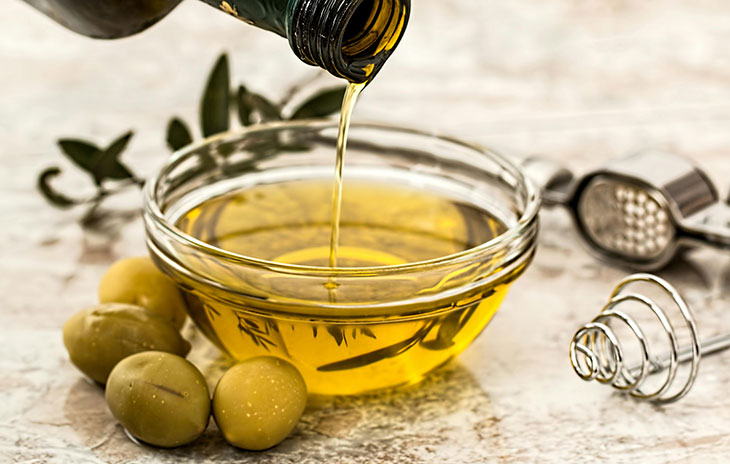
Extra virgin olive oil is rich in monounsaturated fats and antioxidants, proven to lower LDL cholesterol and raise HDL cholesterol.




Foods to Limit or Avoid
To optimize cholesterol management, it is critical to reduce or eliminate the following:
- Saturated Fats: Found in fatty cuts of meat, full-fat dairy, butter, and coconut oil.
- Trans Fats: Present in many processed and fried foods; linked to increased LDL cholesterol and decreased HDL cholesterol.
- Refined Carbohydrates and Sugars: Excessive intake may worsen lipid profiles and promote weight gain.
- Excessive Alcohol: Can negatively affect triglycerides and liver function.
Scientific Evidence Supporting Dietary Approaches
Multiple clinical trials and meta-analyses validate the efficacy of dietary interventions in managing cholesterol. For example, the Portfolio Diet Study demonstrated significant LDL cholesterol reductions through a plant-based diet rich in fiber, nuts, and plant sterols.
The Mediterranean diet, characterized by high consumption of olive oil, fruits, vegetables, nuts, and fish, consistently shows cardiovascular benefits and improved cholesterol profiles.
“Adopting a heart-healthy diet is a powerful, natural strategy to manage cholesterol levels and reduce cardiovascular risk.”
Related Articles on 2thealth.com
- How to Lower Cholesterol Naturally
- Best Foods to Unclog Arteries
- Heart-Healthy Diet Tips
- The Oxidized Cholesterol Strategy
For personalized nutrition plans and expert advice on managing cholesterol through diet, visit 2thealth, your trusted resource for evidence-based health information.