
Effective Treatments for High Cholesterol: A Comprehensive Guide to Managing Lipid Levels
High cholesterol is one of the most common and significant risk factors for cardiovascular disease worldwide. Elevated levels of low-density lipoprotein (LDL cholesterol) can lead to the buildup of plaques in arteries, increasing the risk of heart attacks, strokes, and other serious health complications. Fortunately, there are multiple effective treatments for high cholesterol that can help manage and reduce these risks. This article provides a detailed and evidence-based overview of lifestyle modifications, pharmacological therapies, and emerging treatments to help individuals achieve healthier cholesterol levels.
Understanding High Cholesterol and Its Risks
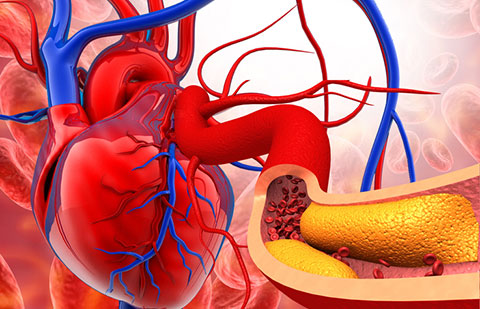
Cholesterol is a waxy substance found in the blood, essential for building cells and producing hormones. However, when cholesterol levels become too high, particularly LDL cholesterol, it can accumulate on artery walls forming plaques, a condition known as atherosclerosis. This narrows the arteries and restricts blood flow, potentially leading to serious cardiovascular events.
On the other hand, high-density lipoprotein (HDL cholesterol) helps remove excess cholesterol from the bloodstream, transporting it to the liver for excretion. Therefore, effective cholesterol management aims to lower LDL cholesterol while maintaining or increasing HDL cholesterol.
Lifestyle Modifications: The Cornerstone of Cholesterol Management
Before considering medications, healthcare providers strongly emphasize lifestyle changes as the first and most important step in managing high cholesterol. These modifications not only help improve cholesterol levels but also promote overall cardiovascular health.
- Heart-Healthy Diet: A diet rich in fruits, vegetables, whole grains, lean proteins, and healthy fats such as those found in olive oil, nuts, and fatty fish is essential. Avoiding saturated and trans fats, commonly present in red meats, full-fat dairy, and processed foods, can significantly reduce LDL cholesterol.
- Regular Physical Activity: Engaging in at least 150 minutes of moderate-intensity aerobic exercise per week, such as brisk walking, cycling, or swimming, can help increase HDL cholesterol and lower LDL cholesterol and triglycerides.
- Weight Management: Maintaining a healthy weight or losing excess weight can dramatically improve cholesterol profiles and reduce cardiovascular risk.
- Smoking Cessation: Smoking damages blood vessels and lowers HDL cholesterol. Quitting smoking improves lipid levels and vascular health.
- Alcohol Moderation: While moderate alcohol consumption may have some benefits, excessive drinking raises triglyceride levels and can worsen cholesterol balance.
For an in-depth look at dietary strategies, read our comprehensive article on the Best Diet to Manage Cholesterol Levels.
Medications: When Lifestyle Changes Aren’t Enough
Many individuals require medication to effectively manage high cholesterol, especially those with genetic predispositions, very high cholesterol levels, or existing cardiovascular disease. Below are the primary classes of cholesterol-lowering medications:
-
Statins
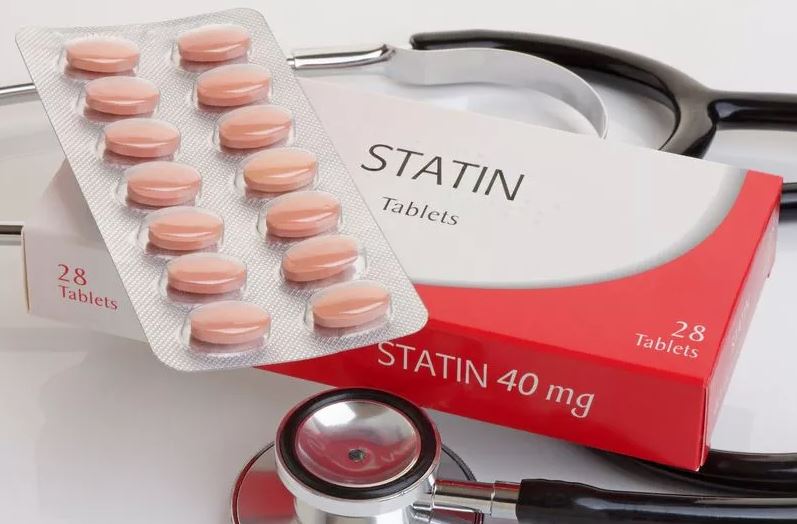
Statins are the most commonly prescribed drugs for lowering LDL cholesterol. They inhibit the enzyme HMG-CoA reductase, which plays a key role in cholesterol production in the liver. Statins not only reduce cholesterol but also stabilize plaques and reduce inflammation. Common statins include atorvastatin, simvastatin, and rosuvastatin.

According to the American Heart Association, statins can lower LDL cholesterol by 20-60%, depending on the dosage and specific medication.
-
PCSK9 Inhibitors
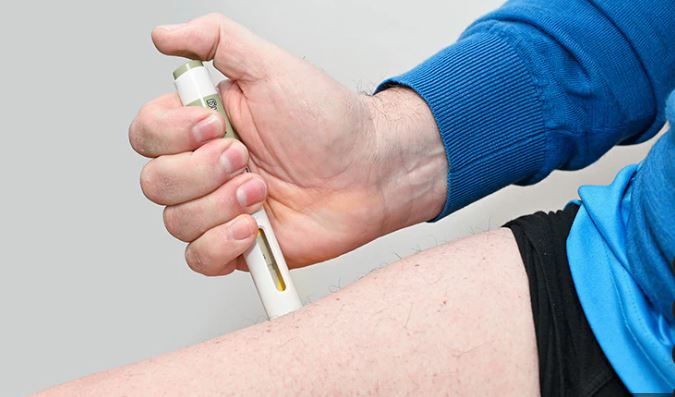
PCSK9 inhibitors are a newer class of injectable drugs that significantly lower LDL cholesterol by enhancing the liver’s ability to clear cholesterol from the blood. They are especially useful for patients with familial hypercholesterolemia or those intolerant to statins. Examples include evolocumab and alirocumab.

-
Bile Acid Sequestrants
These medications bind bile acids in the intestines, prompting the liver to use more cholesterol to produce bile acids, thus lowering blood cholesterol levels. Cholestyramine and colesevelam are common examples but may cause gastrointestinal side effects.
-
Cholesterol Absorption Inhibitors
Ezetimibe works by reducing the absorption of cholesterol in the small intestine, effectively lowering LDL cholesterol. It can be used alone or in combination with statins for enhanced cholesterol reduction.
-
Fibrates and Niacin
These agents primarily reduce triglycerides and can modestly increase HDL cholesterol. However, due to side effects and limited additional benefit, they are less frequently prescribed.
Emerging and Complementary Therapies
Research into cholesterol management continues to evolve, with several promising new treatments and complementary approaches:
- Gene Therapy: Experimental treatments targeting genetic causes of high cholesterol, such as familial hypercholesterolemia, are under development.
- Plant Sterols and Stanols: Naturally occurring substances found in fortified foods and supplements that reduce cholesterol absorption in the gut.
- Red Yeast Rice Supplements: Contain naturally occurring statin-like compounds, but their use should be supervised by healthcare providers due to variability and potential side effects.
- Omega-3 Fatty Acids: Found in fish oil supplements, these help lower triglycerides and may improve overall lipid profiles.
Monitoring and Personalized Care
Effective cholesterol management requires regular monitoring through blood tests to measure lipid levels and assess cardiovascular risk. Treatment plans should be personalized, taking into account individual risk factors, genetic predispositions, lifestyle, and medication tolerance.
Working closely with healthcare professionals ensures that treatments are optimized for maximum benefit and minimal side effects.
“The combination of lifestyle modification and appropriate medication tailored to the individual is the most effective approach to managing high cholesterol and reducing cardiovascular risk.”
Further Reading on 2thealth.com
- How to Lower Cholesterol Naturally
- Best Diet to Manage Cholesterol Levels
- Causes, Symptoms, and Risks of High Cholesterol
- The Oxidized Cholesterol Strategy
For personalized advice and treatment options for high cholesterol, visit 2thealth.com, your trusted source for evidence-based health information.