
Treatment Options for Vertigo
Vertigo is a disorienting condition characterized by the sensation of spinning or dizziness that can significantly disrupt daily activities and quality of life. Understanding the treatment options for vertigo is essential for patients and caregivers to effectively manage symptoms and address the underlying causes. This comprehensive guide explores the full spectrum of therapies, medications, physical interventions, and lifestyle modifications designed to alleviate vertigo and improve balance and well-being.

Overview: What Causes Vertigo?
Vertigo symptoms arise from disruptions in the vestibular system, which includes parts of the inner ear and brain responsible for balance and spatial orientation. Common causes include:
- Benign Paroxysmal Positional Vertigo (BPPV)
- Meniere’s Disease
- Vestibular Neuritis or Labyrinthitis
- Central nervous system disorders such as stroke or multiple sclerosis
- Head injuries or trauma
Accurate diagnosis is critical to tailor the most appropriate vertigo treatment. For detailed diagnostic processes, see our article How Vertigo is Diagnosed.
Medications for Vertigo Management
Medication often plays a central role in controlling vertigo symptoms, especially during acute episodes or flare-ups. The following classes of drugs are commonly used:
- Vestibular suppressants: Medications such as meclizine, dimenhydrinate, and benzodiazepines help reduce the sensation of dizziness by calming the vestibular system.
- Antiemetics: Drugs like promethazine and ondansetron are prescribed to control nausea and vomiting associated with vertigo.
- Diuretics: Particularly useful in Meniere’s disease, diuretics such as hydrochlorothiazide reduce fluid retention in the inner ear, alleviating pressure and symptoms.
- Corticosteroids: Often administered in vestibular neuritis to reduce inflammation and promote recovery of vestibular nerve function.
- Calcium channel blockers and betahistine: Sometimes prescribed to improve blood flow to the inner ear and reduce vertigo attacks.
It is important to note that prolonged use of vestibular suppressants may impede natural compensation mechanisms and should be used under medical supervision.
Physical Therapy: Vestibular Rehabilitation Therapy (VRT)
Vestibular Rehabilitation Therapy is a specialized form of physical therapy aimed at improving balance, reducing dizziness, and enhancing overall vestibular function. VRT is highly effective for many vertigo patients, especially those with peripheral vestibular disorders.
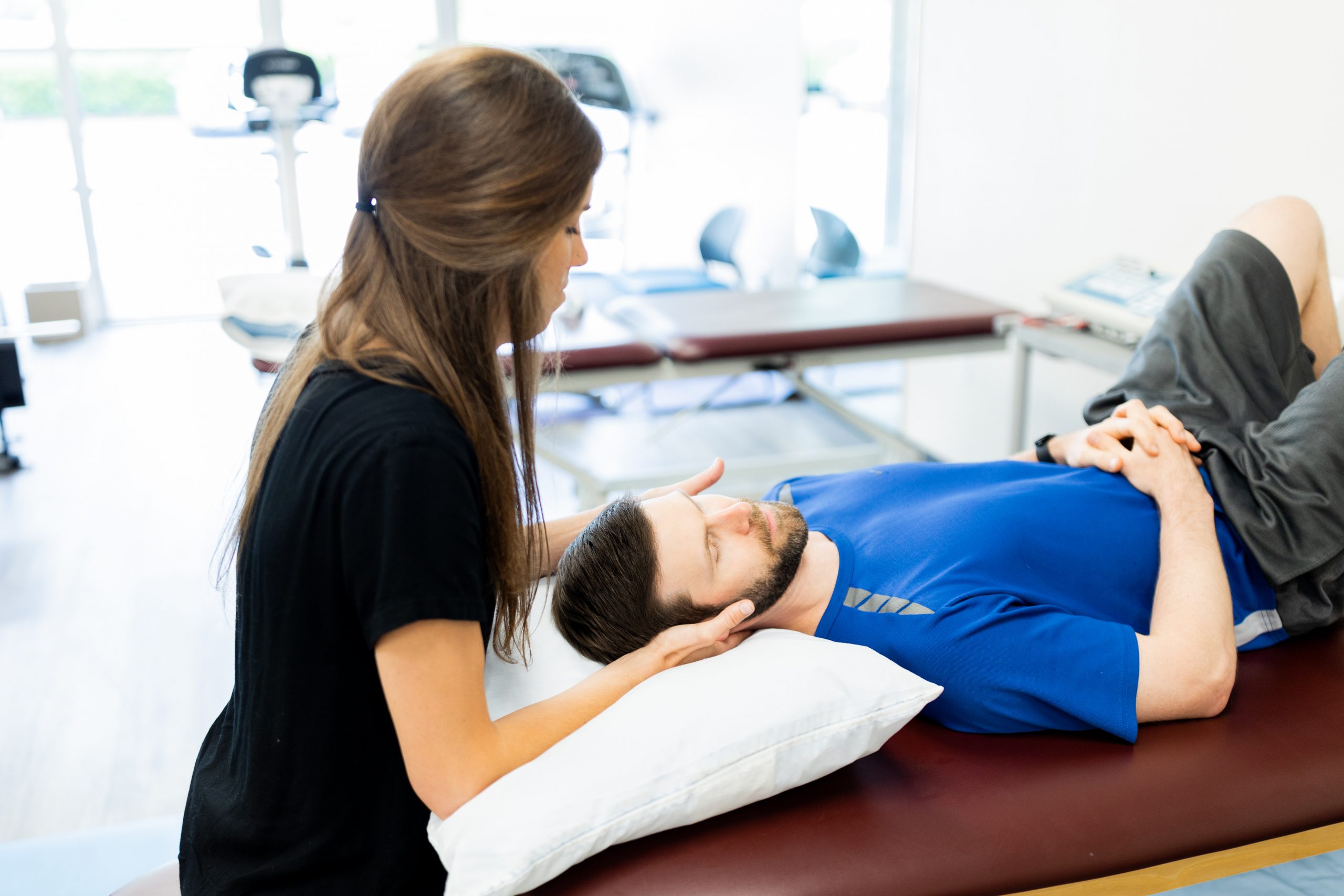
Components of VRT include:
- Gaze stabilization exercises: These exercises improve eye movement control during head motion, helping reduce oscillopsia (bouncing vision).
- Balance retraining: Exercises that challenge the patient’s balance to enhance postural stability and coordination.
- Habituation exercises: Repeated exposure to movements or environments that trigger vertigo to decrease sensitivity over time.
- Walking and functional training: Helps patients regain confidence and improve mobility.
VRT is personalized based on the patient’s symptoms and progress and can be administered by trained physical therapists.
Canalith Repositioning Maneuvers for BPPV
Benign Paroxysmal Positional Vertigo is one of the most common causes of vertigo and results from displaced calcium crystals (otoconia) in the inner ear canals. Canalith repositioning maneuvers, such as the Epley maneuver and Semont maneuver, are effective treatments that reposition these crystals to their proper location.
These maneuvers involve a series of guided head and body movements performed by healthcare professionals or taught for self-administration at home. They have a high success rate and often provide immediate relief.
Lifestyle Modifications to Manage Vertigo
In addition to medical and physical therapies, lifestyle changes can greatly assist in managing vertigo symptoms and preventing recurrences:
- Stay hydrated: Dehydration can worsen dizziness; drinking sufficient water daily is essential.
- Avoid sudden head movements: Move slowly and deliberately to reduce vertigo triggers.
- Limit caffeine, alcohol, and tobacco: These substances can exacerbate vertigo symptoms and inner ear fluid imbalance.
- Manage stress: Stress and anxiety can intensify vertigo; relaxation techniques such as yoga, meditation, and deep breathing exercises may help.
- Sleep well: Quality sleep supports overall neurological health and symptom control.
Surgical Options for Severe Vertigo
Surgery is considered only when conservative treatments fail or in cases of severe vertigo caused by specific conditions. Surgical interventions include:
- Labyrinthectomy: Removal of the labyrinth in the inner ear, typically reserved for patients with non-functioning vestibular organs and severe symptoms.
- Vestibular nerve section: Cutting the vestibular nerve to stop abnormal signals causing vertigo, often preserving hearing.
- Endolymphatic sac decompression or shunt surgery: Procedures aimed at relieving pressure in the inner ear for Meniere’s disease.
- Other neurosurgical procedures: In rare cases involving central causes, surgery may address tumors or vascular abnormalities.
Surgical options require careful evaluation by specialists and thorough discussion of risks and benefits.
Complementary and Alternative Therapies
Some patients explore complementary therapies to supplement conventional treatments, including:
- Acupuncture: May help reduce dizziness and improve balance in some individuals.
- Herbal supplements: Ginkgo biloba is sometimes used, though evidence is mixed and consultation with a healthcare provider is advised.
- Chiropractic care and massage therapy: Can relieve muscle tension and improve circulation, potentially aiding symptom relief.
Always discuss alternative therapies with your healthcare provider to ensure safety and avoid interactions with prescribed treatments.
When to Seek Immediate Medical Attention
While many vertigo cases are benign and manageable, seek urgent medical care if you experience:
- Sudden, severe vertigo with neurological symptoms such as weakness, numbness, difficulty speaking, or vision loss
- Persistent vomiting or inability to keep fluids down
- Loss of consciousness or fainting
- Vertigo following head trauma
- New or worsening hearing loss or tinnitus
“Prompt diagnosis and individualized treatment are key to effectively managing vertigo and preventing complications.”
Summary
The treatment options for vertigo encompass a broad range of approaches including medications, physical therapy, lifestyle modifications, and surgical interventions when necessary. Early diagnosis, as detailed in our article How Vertigo is Diagnosed, ensures that patients receive the most effective and personalized care. Combining medical treatment with lifestyle and rehabilitative strategies often leads to the best outcomes.
For further reading, explore our related articles on Symptoms of Vertigo.