
Top Best Exercises for Parkinson’s Disease
Living with Parkinson’s disease presents unique challenges, but one of the most effective strategies for managing symptoms and improving overall quality of life is through regular physical exercise. While there’s no cure for Parkinson’s, a well-structured exercise program can significantly impact mobility, balance, flexibility, and even cognitive function. At 2thealth.com, we believe in empowering individuals with the knowledge to take proactive steps in their health journey. This comprehensive guide will delve into the top best exercises for Parkinson’s disease, offering insights and actionable advice to help you or your loved one thrive.

The Power of Movement: Why Exercise is Crucial for Parkinson’s
Exercise is not just beneficial; it’s a critical component of Parkinson’s management. It can help counteract the progression of motor symptoms such as rigidity, bradykinesia (slowness of movement), and tremor. Furthermore, regular physical activity can improve non-motor symptoms like fatigue, depression, and sleep disturbances. The key is finding the right type of exercise that is both safe and effective, tailored to individual needs and capabilities.
“Movement is medicine for Parkinson’s disease. Consistent, varied exercise can significantly improve motor function and overall well-being.”
Categories of Essential Exercises for Parkinson’s
A holistic exercise program for Parkinson’s typically incorporates several types of physical activity. Each category offers distinct benefits that contribute to better symptom management and a higher quality of life. Here are the best exercises for Parkinson’s broken down by category:
1. Aerobic Exercises: Boosting Cardiovascular Health and Endurance
Aerobic exercises elevate your heart rate and improve cardiovascular fitness, which is crucial for overall health and can help combat fatigue in Parkinson’s. Aim for moderate intensity where you can talk but not sing.
- Walking: A fundamental and accessible exercise. Focus on taking larger, more deliberate steps. Consider using trekking poles for added stability.
- Cycling (stationary or outdoor): Excellent for lower body strength and cardiovascular health, with less impact on joints.
- Swimming or Water Aerobics: The buoyancy of water reduces the impact on joints, making it ideal for those with balance issues or joint pain. It also provides gentle resistance for muscle strengthening.
- Dancing: A fun and engaging way to improve balance, coordination, rhythm, and mood. Various styles like tango, ballroom, or even specialized Parkinson’s dance classes can be highly beneficial.
2. Strength Training: Building Muscle and Improving Posture
Progressive resistance training helps to build and maintain muscle mass, which can combat weakness and improve posture often affected by Parkinson’s.
- Bodyweight Exercises: Squats (with chair assistance if needed), lunges, wall push-ups, and calf raises.
- Resistance Bands: Versatile for targeting various muscle groups, offering adjustable resistance.
- Light Weights: Hand weights or small dumbbells for bicep curls, tricep extensions, and shoulder presses.
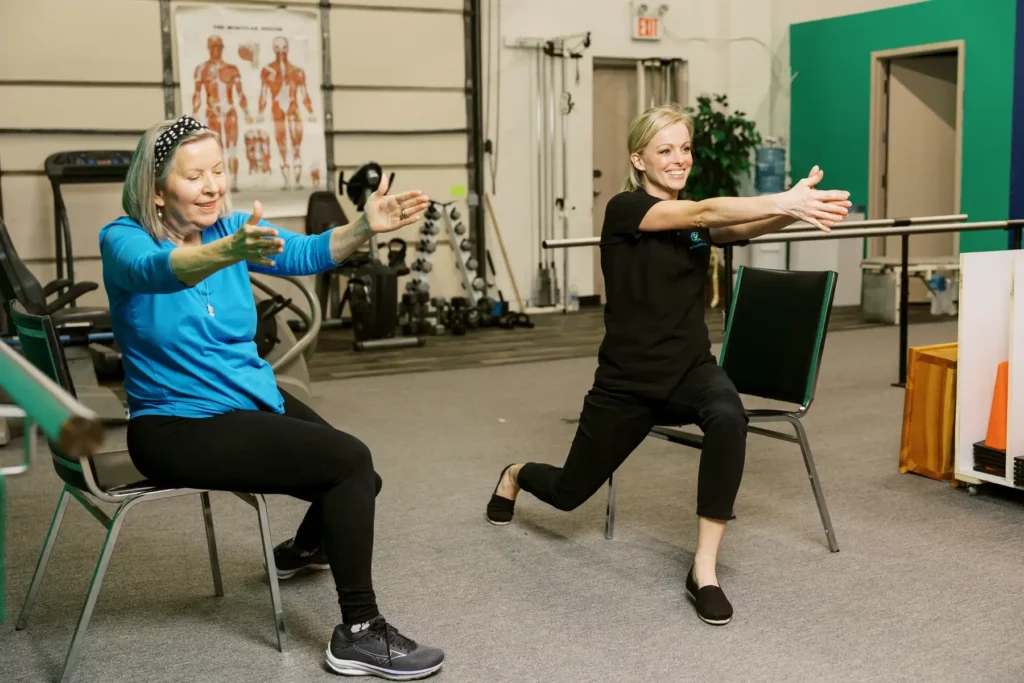
3. Balance Exercises: Preventing Falls and Enhancing Stability
Falls are a significant concern for individuals with Parkinson’s. Dedicated balance exercises can dramatically reduce this risk.
- Tai Chi: Known for its slow, deliberate movements, Tai Chi significantly improves balance, flexibility, and coordination. It’s often recommended as a best exercise for Parkinson’s due to its holistic benefits.
- Yoga: Similar to Tai Chi, yoga can enhance flexibility, strength, and balance, with modifications available for all levels.
- Standing on One Leg: Start by holding onto a stable support, gradually increasing time and reducing reliance on support.
- Heel-to-Toe Walking: Improves proprioception and challenges balance.
For additional strategies on fall prevention, explore resources from reputable organizations like the National Council on Aging (NCOA).
4. Flexibility and Stretching: Counteracting Rigidity
Parkinson’s often leads to rigidity, making muscles stiff and movements difficult. Regular stretching can improve range of motion and reduce discomfort.
- Dynamic Stretches: Arm circles, leg swings (controlled).
- Static Stretches: Holding stretches for 20-30 seconds, focusing on major muscle groups like hamstrings, quadriceps, chest, and shoulders.
- Facial Exercises: Help improve facial expression and speech clarity, often affected by Parkinson’s.
Specialized Exercise Programs for Parkinson’s
Beyond the general categories, several specialized programs have emerged as highly effective for individuals with Parkinson’s:
- LSVT BIG®: This physical therapy program focuses on “bigger” movements, helping individuals recalibrate their perception of movement size and improve amplitude of motion. It’s an evidence-based approach and often considered among the best exercises for Parkinson’s motor symptoms.
- PWR!Moves® (Parkinson Wellness Recovery): This program integrates physical therapy with Parkinson’s-specific movements, focusing on flexibility, strength, balance, and aerobic activity.
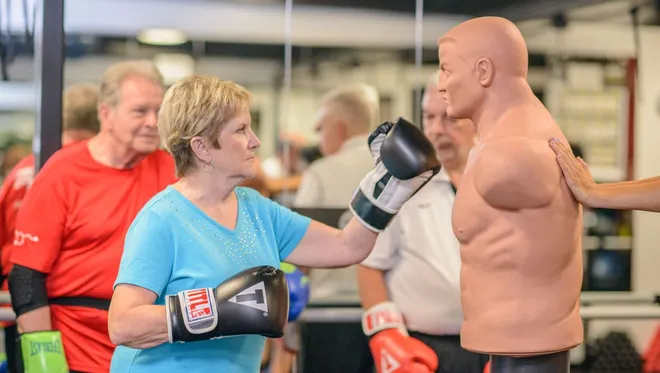
- Boxing (Non-Contact): Programs like Rock Steady Boxing have gained popularity. They provide an intense, full-body workout that improves agility, balance, hand-eye coordination, and overall fitness, often in a supportive group environment.
Tips for a Successful Exercise Program
- Consult Your Doctor: Always speak with your neurologist or primary care physician before starting any new exercise program.
- Start Slowly and Progress Gradually: Don’t overdo it. Listen to your body and gradually increase intensity and duration.
- Consistency is Key: Regularity is more important than intensity. Aim for at least 30 minutes of moderate-intensity exercise most days of the week.
- Find an Exercise Partner or Group: Exercising with others can provide motivation, accountability, and a sense of community.
- Incorporate Variety: Mixing different types of exercises keeps things interesting and works various muscle groups.
- Stay Hydrated: Drink plenty of water before, during, and after exercise.
- Wear Appropriate Footwear: Good shoes can prevent falls and improve stability.
- Consider Professional Guidance: A physical therapist specializing in neurological conditions can design a personalized exercise plan.
Beyond Exercise: A Holistic Approach
While exercise is paramount, it’s part of a larger picture of managing Parkinson’s disease. A balanced diet, adequate sleep, stress management, and medication adherence all play crucial roles.
Conclusion
Embracing a consistent and varied exercise routine is one of the most empowering steps an individual with Parkinson’s disease can take. From improving motor symptoms and balance to boosting mood and energy, the best exercises for Parkinson’s offer a multitude of benefits that contribute to a richer, more active life. Remember, every movement counts, and with the right approach, you can significantly enhance your well-being and maintain independence. Stay active, stay informed, and continue to explore resources like 2thealth.com for your health and wellness journey.
Related Articles on 2thealth.com
Enhance your knowledge with these related articles: