
How Vertigo is Diagnosed
Understanding how vertigo is diagnosed is essential for anyone experiencing symptoms such as dizziness, imbalance, or the sensation of spinning. Vertigo can arise from various causes, ranging from benign inner ear problems to serious neurological conditions. Accurate and timely diagnosis is critical to ensure effective treatment and prevent complications. This comprehensive guide details the diagnostic process, tests, and clinical evaluations used by healthcare professionals to determine the cause of vertigo.

What is Vertigo Diagnosis?
Vertigo diagnosis refers to the systematic medical approach to identify the underlying cause of vertigo symptoms. Vertigo manifests primarily as a false sensation of motion, often described as spinning or tilting, and can be accompanied by nausea, vomiting, and balance difficulties. Since vertigo may originate from disorders affecting the inner ear (peripheral vertigo) or the brain and nervous system (central vertigo), a thorough and precise evaluation is necessary.
For a foundational understanding of vertigo symptoms, you may want to explore our article Symptoms of Vertigo.
Initial Evaluation: Medical History and Physical Examination
The first and most crucial step in diagnosing vertigo is a detailed medical history and physical examination. Your healthcare provider will ask about:
- The onset, duration, and frequency of vertigo episodes
- Specific triggers or factors that worsen or alleviate symptoms
- Associated symptoms such as hearing loss, tinnitus, headaches, or neurological issues
- Past medical history, medications, recent infections, or head trauma
The physical examination focuses on neurological and vestibular function, including assessment of eye movements to detect nystagmus — involuntary eye movements that are a hallmark sign of vertigo.
Why Medical History is Vital
A comprehensive medical history helps to differentiate between peripheral and central causes of vertigo. For example, vertigo triggered by head movements suggests benign paroxysmal positional vertigo (BPPV), while vertigo accompanied by neurological symptoms may indicate a central nervous system disorder.
Specialized Clinical Tests
After the initial examination, specific clinical tests are performed to further clarify the diagnosis:
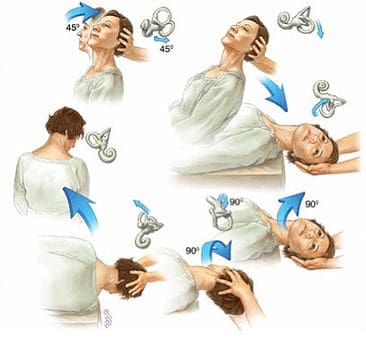
- Dix-Hallpike Maneuver: This is the gold standard test for diagnosing BPPV. The patient’s head is moved into a position that usually triggers vertigo and nystagmus if BPPV is present.
- Head Impulse Test (HIT): Evaluates the vestibulo-ocular reflex by quickly turning the patient’s head and observing eye movement, helping detect peripheral vestibular dysfunction.
- Romberg Test: Assesses postural stability by having the patient stand with feet together and eyes closed, observing for swaying or loss of balance.
- Fukuda Stepping Test: The patient marches in place with eyes closed; deviation from a straight path indicates vestibular dysfunction.
- Head Shaking Nystagmus Test: Shaking the head horizontally to provoke nystagmus, which can help localize vestibular lesions.
Imaging and Laboratory Investigations
When clinical evaluation suggests central nervous system involvement or if symptoms are atypical, imaging and laboratory tests are warranted:
- MRI (Magnetic Resonance Imaging): The preferred imaging modality to identify brain lesions such as strokes, tumors, multiple sclerosis, or other central causes of vertigo.
- CT Scan: Often used in emergency settings to quickly rule out hemorrhages or fractures, especially after trauma.
- Blood Tests: To exclude metabolic, infectious, or inflammatory causes that may contribute to vertigo symptoms.
Vestibular Function Testing
To gain a detailed understanding of inner ear function, specialized vestibular tests are performed:
- Electronystagmography (ENG) / Videonystagmography (VNG): Record eye movements to evaluate vestibular and ocular motor function, providing objective data on vestibular deficits.
- Rotational Chair Testing: Measures eye movements in response to controlled rotations, useful for bilateral vestibular loss.
- Posturography: Measures body sway and balance control under various sensory conditions, helping assess integration of vestibular, visual, and proprioceptive inputs.
Distinguishing Peripheral and Central Vertigo
A key part of vertigo diagnosis is differentiating peripheral vertigo from central vertigo, as treatments and prognoses differ significantly.
- Peripheral Vertigo: Originates from inner ear disorders like BPPV, Meniere’s disease, or vestibular neuritis. Symptoms include intense spinning, hearing changes, and nystagmus that typically suppresses with visual fixation.
- Central Vertigo: Caused by brainstem or cerebellar lesions, stroke, or multiple sclerosis. Symptoms may include less intense spinning, neurological deficits (e.g., double vision, weakness), and nystagmus that does not suppress with visual fixation.
For more information on causes and symptoms, see our articles Causes of Vertigo and Symptoms of Vertigo.
When Should You Seek Medical Attention?
While mild vertigo can sometimes be managed conservatively, immediate consultation is advised if you experience:
- Sudden, severe vertigo with neurological symptoms such as weakness, numbness, or difficulty speaking
- Vertigo with hearing loss or persistent tinnitus
- Loss of consciousness or fainting episodes
- Persistent vomiting or dehydration
- Recent head injury or trauma
“Accurate and timely diagnosis of vertigo is essential to prevent serious complications and optimize treatment outcomes.”
Summary
Diagnosing vertigo involves an integrative approach combining detailed history, physical and neurological examinations, specific clinical tests, and advanced imaging or vestibular function assessments when necessary. Understanding how vertigo is diagnosed empowers patients to seek appropriate care and engage actively in their treatment plans.
For more detailed information, explore related topics on Symptoms of Vertigo and Treatment Options for Vertigo.